
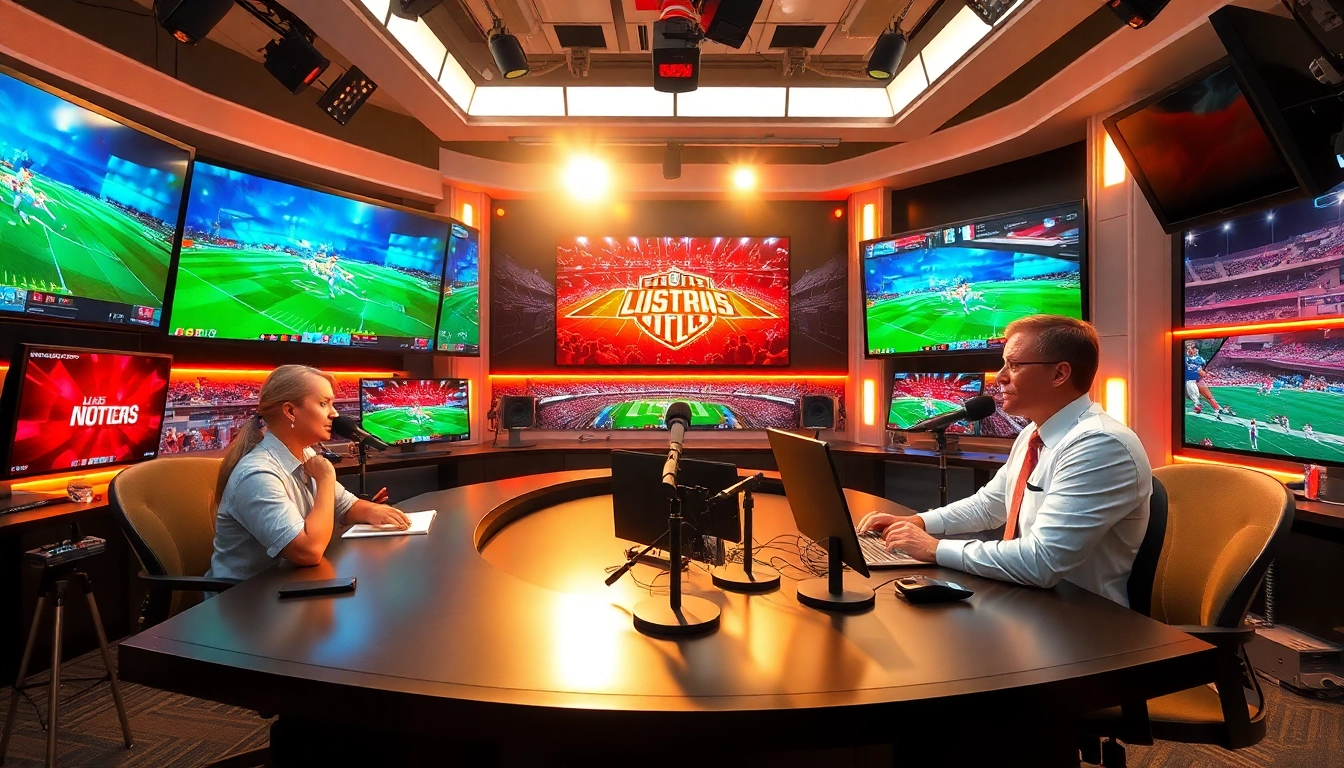
The Evolution of Sports Broadcasting
Sports broadcasting has transformed significantly over the years, becoming a major pillar of the sports industry and affecting how fans engage with their favorite teams and athletes. From its early beginnings of radio play-by-plays to the current era dominated by streaming services and digital platforms, evolution in Sports Broadcasting is marked by technological advancements, changing audience expectations, and innovative content delivery methods.
Historical Background of Sports Broadcasting
The concept of broadcasting sports can be traced back to the early 20th century, with radio broadcasts bringing sports events to the masses for the first time. The first major sporting event broadcast on radio was the 1921 boxing match between Jack Dempsey and Georges Carpentier. This pivotal moment helped popularize sports broadcasting and set the stage for televised broadcasts, which began in earnest in the late 1940s. The introduction of television revolutionized sports viewership, allowing fans to experience events live in their homes, thus increasing the popularity of sports leagues and athletes.
Technological Advances Shaping Sports Broadcasting
Technological advancements have played a crucial role in the evolution of sports broadcasting. Initially, broadcasts were solely audio-based, but with the advent of television, visual presentation became an essential part of the experience. In recent years, innovations such as high-definition broadcasting, 4K resolution, and virtual reality have set new standards in sports broadcasting. These technologies allow for enhanced viewer experiences, such as real-time statistics overlays and immersive angles that provide insights beyond traditional viewing methods.
Impact of Digital Platforms on Sports Broadcasting
The rise of digital platforms has significantly altered the landscape of sports broadcasting. Streaming services, social media, and mobile apps have provided fans with unprecedented access to sports content. Major sports leagues now offer their own streaming services that allow viewers to watch games live or on-demand, often with interactive features that enhance the viewing experience. This shift has not only changed how content is consumed but also shifted revenue models, with an increasing focus on advertising and subscription-based services.
Key Components of Effective Sports Broadcasting
To succeed in the competitive realm of sports broadcasting, several key components must be considered. These include understanding the audience, utilizing the right tools and technology, and devising comprehensive content strategies.
Understanding the Audience in Sports Broadcasting
Successful sports broadcasting hinges on a thorough understanding of the target audience. This includes demographics, preferences, and viewing habits. Broadcasters need to tailor their content to meet the expectations of their viewers, providing not just game coverage, but also pre-and post-game analysis, player interviews, and immersive behind-the-scenes content. Engaging with fans through polls, social media interactions, and digital storytelling can foster community and increase viewership.
Essential Tools for Sports Broadcasting
Effective sports broadcasting requires a range of essential tools and technology. High-quality cameras, drone technology, and green screen capabilities facilitate exceptional visual storytelling. Production software for graphics, editing, and live streaming is vital for maintaining a professional standard. Furthermore, investing in analytics tools to monitor viewer engagement can help broadcasters adjust their strategies in real-time, thus optimizing the viewer experience.
Content Creation Strategies for Sports Broadcasting
Content creation in sports broadcasting should prioritize both quality and relevance. Storytelling plays a critical role. Broadcasters should focus on delivering compelling narratives that resonate with fans, including player backgrounds, historic moments in sports, and matchday buildups. Engaging content can also include interactive elements like Q&A sessions and fantasy sports features which increase viewer participation and enjoyment.
Challenges in Sports Broadcasting
While sports broadcasting offers numerous opportunities, it is not without its challenges. Managing live broadcasts, meeting viewer expectations, and navigating legal considerations are just a few hurdles broadcasters must overcome.
Managing Live Broadcast Difficulties
Live sports broadcasting is fraught with challenges, from technical difficulties to unpredictable events such as weather conditions or game delays. Having a robust contingency plan is essential to handle any complications that may arise during live events. This includes maintaining effective communication among crew members and having backup systems in place to ensure a seamless viewing experience.
Adapting to Viewer Expectations in Sports Broadcasting
As viewers become more accustomed to high-quality content and seamless experiences, their expectations continue to rise. Broadcasters must constantly evolve their offerings to include innovative features such as advanced statistics, interactive graphics, and commentary that enhances the viewing experience. Regular feedback from viewers through surveys or social media can help broadcasters stay aligned with audience expectations.
Legal and Ethical Considerations in Sports Broadcasting
Legal issues, including broadcasting rights and copyright infringement, are significant concerns in the sports broadcasting industry. Broadcasters must navigate complex licensing agreements to ensure compliance and protect intellectual property. Additionally, ethical considerations surrounding the portrayal of athletes, teams, and events are paramount. Responsible reporting and maintaining transparency can help build trust and credibility with audiences.
Best Practices for Success in Sports Broadcasting
Establishing best practices is essential for broadcasters hoping to achieve long-term success in the evolving landscape of sports media. Several key strategies can enhance engagement and reach.
Leveraging Social Media for Sports Broadcasting
Social media platforms are potent tools for promoting sports content and engaging fans. Broadcasters should maintain active social media presences across multiple platforms, sharing highlights, behind-the-scenes footage, and fan interactions to build community and visibility. Utilizing influencers and athletes to expand reach can also improve audience engagement.
Engaging Viewers with Interactive Content
Interactive content is increasingly important in sports broadcasting. Features such as live polls, fan chats, and choose-your-own-adventure style programming encourage viewer participation and enhance the overall experience. By making fans feel like part of the broadcast, broadcasters can significantly increase engagement rates.
Performance Metrics for Evaluating Sports Broadcasting
Establishing key performance indicators (KPIs) is critical for evaluating the success of sports broadcasting strategies. Metrics such as viewership numbers, social media engagement rates, and audience retention can provide valuable insights into what works and what doesn’t. Regular analysis of performance data allows broadcasters to adjust strategies in real-time for optimal engagement and reach.
Future Trends in Sports Broadcasting
The future of sports broadcasting is poised for significant transformation, influenced by technological advancements and changing consumer behaviors. Understanding emerging trends will be vital for broadcasters looking to stay ahead.
Emerging Technologies Impacting Sports Broadcasting
Emerging technologies such as artificial intelligence, augmented reality, and enhanced analytics are set to transform sports broadcasting. AI can provide personalized content recommendations based on viewer preferences, while augmented reality can create immersive experiences during broadcasts. Broadcasters leveraging these technologies can create unique viewing experiences that keep audiences captivated.
Predictions for Viewer Engagement in Sports Broadcasting
As technology evolves, viewer engagement is likely to become more interactive and personalized. Predictive analytics could foresee what fans want to see, while tailored content can enhance satisfaction. As a result, broadcasters will need to dynamically adjust their offerings to match the desires of their audiences.
Preparing for Changes in Content Consumption in Sports Broadcasting
Content consumption trends are rapidly shifting, with younger audiences favoring short-form content and mobile access. Broadcasters need to adapt to these changing behaviors by offering content in formats that cater to diverse preferences, including quick highlights, short documentaries, and mobile-friendly viewing options. Keeping pace with changing consumption patterns will ensure that broadcasters remain relevant in the competitive sports landscape.
Frequently Asked Questions
What is sports broadcasting?
Sports broadcasting refers to the live transmission of sporting events through various media channels, including television, radio, and digital platforms, enabling fans to engage with sports remotely.
How has technology impacted sports broadcasting?
Technology has improved clarity, efficiency, and viewer engagement in sports broadcasting through high-definition visuals, real-time stats, and innovative production tools like drones and AR.
What are key challenges in sports broadcasting?
Key challenges include managing live broadcast issues, meeting evolving viewer expectations, and navigating legal considerations for rights and content usage.
How can broadcasters better engage audiences?
Engagement can be boosted by leveraging social media, adopting interactive content, and maintaining a strong dialogue with fans through feedback and community activities.
What future trends should broadcasters expect?
Future trends will include advances in AI and AR, personalized content consumption, and a greater focus on interactive and mobile-friendly formats to capture younger audiences.